The Anatomy of a Catalog: More Than Just Pages
When most people think of a catalog, they see a collection of products and pages. But behind every successful catalog are dozens of decisions that impact everything from readability and durability to postage costs and overall effectiveness.
It all starts with the cover. A catalog has just a few seconds to make a first impression, so the paper, coating, and design all play an important role in capturing attention and encouraging someone to open it.
Paper selection is another important decision. Gloss papers can make images pop, matte or silk stocks offer a softer look, and uncoated papers create a more natural feel. The right choice depends on the message you’re trying to communicate.
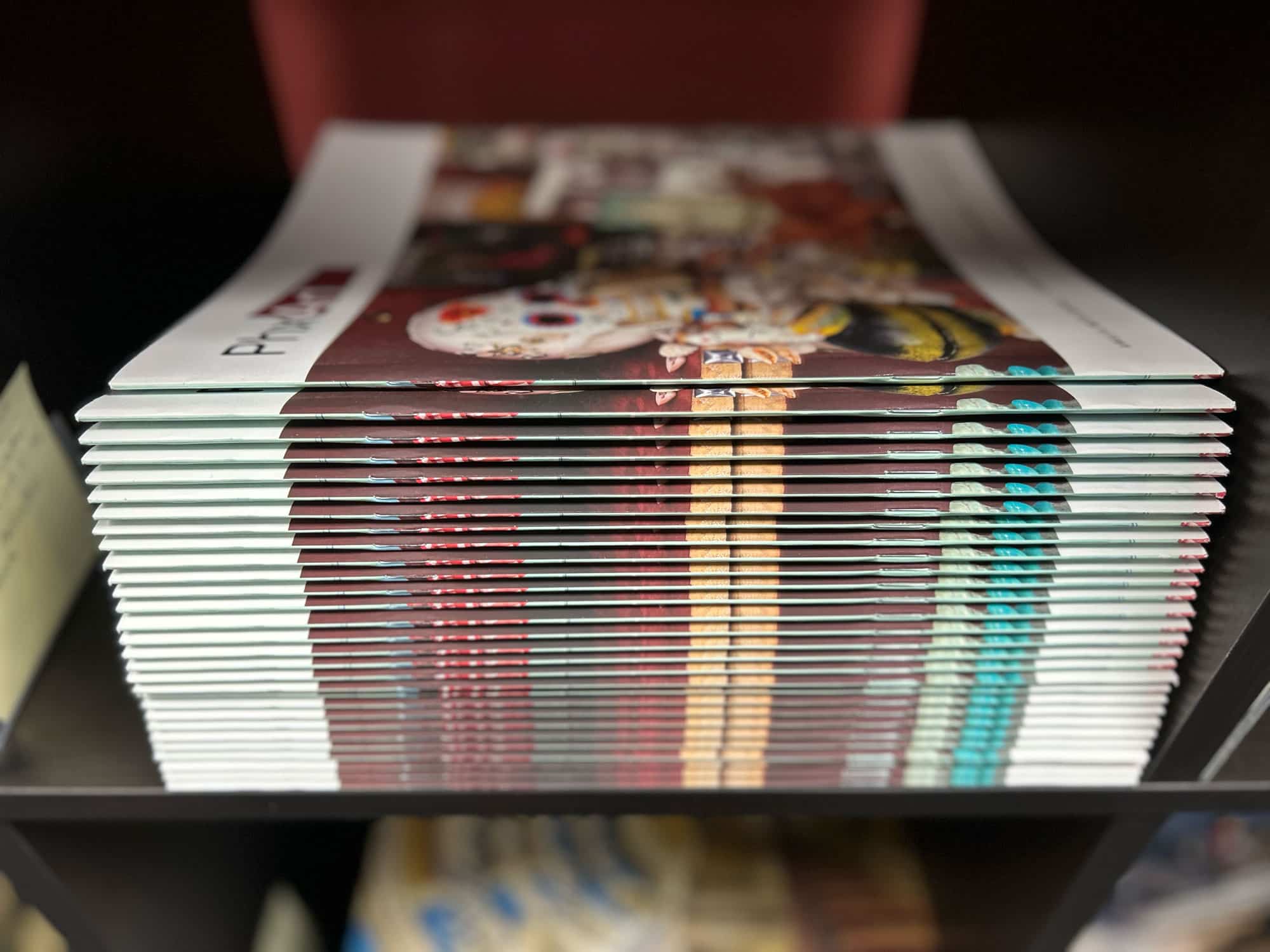
Binding matters too. Saddle stitching works well for shorter catalogs, while perfect binding provides a more substantial, book-like appearance for larger page counts.
And finally, there’s mailing. Weight, size, and format can all affect postage costs and distribution, making it an important consideration early in the planning process.
A great catalog doesn’t happen by accident. It’s the result of thoughtful decisions, quality printing, and attention to detail every step of the way. At Courier Graphics, we’ve been helping clients bring catalogs to life for nearly 50 years, and we’re still just as excited about them today.